View our Terms and Conditions for Southsea Skatepark
Get In Touch: contact@southseaskatepark.org



The iconic landmark of the skatepark is the bandstand, situated in the centre of the skatepark and built in approx. 1928 as a traditional bandstand, surrounded by grass and deckchairs. Ladies Mile was a hugely popular place for people to going back in Victorian times.
In the 1930s the bandstand was re-modelled and a paved area was laid around the bandstand for dancing and for roller skating, surrounded by a low fence.


In the post war years the roller rink was expanded and became a very popular visitors’ attraction, with people enjoying the sunshine on wheels.
By the early 1950s the north third of the current skatepark footprint had been barriered off to create a roller hockey rink, also used for figure skating. Local, national and international competitions were hosted here (with men’s and women’s teams) and local skaters competed across Europe. Southsea Roller Hockey Club managed the skatepark under contract with the local authority and spectator stands were built on three sides of the hockey rink (two have subsequently been demolished).
The skatepark also had a very popular speed skating team who would also compete across the UK.
The 1960’s saw a huge boom in visitors to the city with the skatepark putting on themed and elaborate rollerskating performances by the ‘Skatercades’. Figure skating was very popular with Betsy & Smudge a really popular due who would win competitions.
At this time the skatepark was run by Pete Tiller, the Tiller family would continue to have close ties to the skatepark to this day.
The 1970s saw the early days of skateboarding boom, with many skateboarders in the streets of Portsmouth. The skatepark itself saw a slowdown of popularity as holidaymakers were starting to travel abroad to Europe.

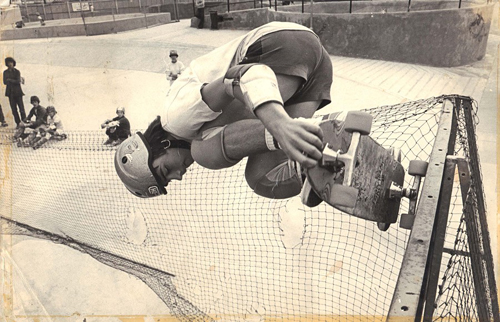
In the late 1970s the skateboarding craze hit the United Kingdom and the local authority redesigned much of the skatepark, thanks to lobbying by local skaters like the Dread City Skates crew. The new design included constructing a series of concrete bowls and runs in the south third of the current skatepark.
Southsea Skatepark officially opened in 1978, with American professional skateboarder Tony Alva skating with the locals. With the skateboard boom reaching it’s peek, the skatepark was packed with skateboarders, some of who still visit and skate today.
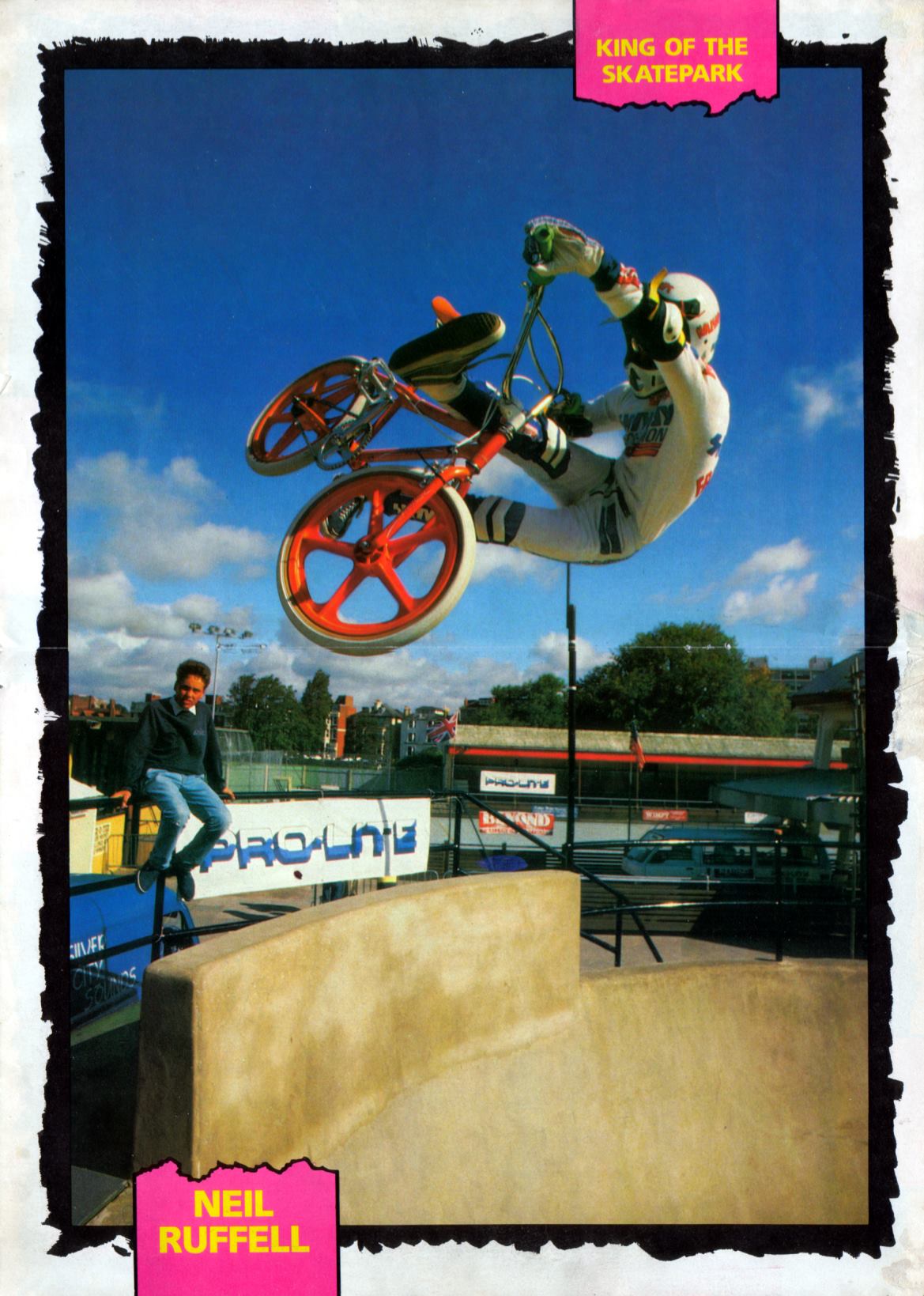
In the early 80s skateboarding shrunk down to just the hardcore skaters and around the same time BMX exploded on the scene. As BMX moved from racing to skateparks, Southsea Skatepark’s bowls became popular with the UK’s best riders like Craig Campbell, Carlo Griggs and brothers Andy Ruffell and Neil Ruffell.
Through the 80s the skatepark would be home to some incredible BMX competitions and would also see a growth in local talent competing at the highest levels including Nick Jefferies, Jamie Morley, Vince Gregory and Kevin Chambers.

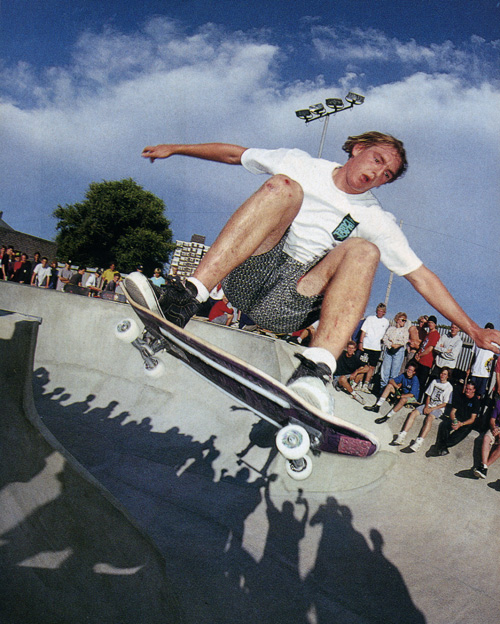
After the release of Back to the Future skateboarding had a huge resurgence, with Southsea Skatepark becoming home to a scene that was recognised across the world. As well as competitions that brought together the UKs best skateboarders, it also attracted professional skateboarders from the US, many of which would even stay in Southsea on extended visits.
The skate competitions and demonstrations in the later 80s were huge, with hundreds and hundreds of people coming to watch teams like Powell Peralta’s Bones Brigade, including Tony Hawk, Lance Mountain, Steve Caballero, Tommy Guerrero, Rodney Mullen and Mike McGill over multiple visits. Shut Up and Skate contests on the vert ramp would be huge. The skatepark was also home to UK professional skateboarders Barry & Mark Abrook and Gary Lee, as well as up and coming talent like Ian Collenette and Ian Harper. Regular visitors also included the legendary Don Brider and the inspiring female sponsored skater Sue Hazel.
Rollerskating continued at Southsea Skatepark but now it was quadskating in the bowls and on the vert ramp. People like Simon Tiller, Jason and Bradley Tubb who were doing handplants and airs in the mix with the skateboarders.
The manager at this important time in the skatepark’s history was the much loved John Thurston.
In the 1990s BMX and skateboarding became even more popular and ramps were installed in the central area of the skatepark. When Southsea Roller Hockey Club gave up management of the skatepark, its operation was taken over by the local authority youth service and a range of ramps were installed in the rink area, suitable for BMX, skateboarding and skating – and later for scooter riding.
The Pool concrete bowl was built in the early 90s over the iconic reservoir, and was removed a few years ago. The Pool hosted a number of skate competitions and people still talk about Ben Schroeder’s ollie out of the pool.
With the roller hockey team leaving the skatepark it meant that permanent ramps could be placed on the rink for the first time, beginning with the flatbank.
In 1993 BMX history was made at Southsea Skatepark with US iconic pro BMXer Dave Mirra breaking the world record for highest air at the Kong of Concrete competition for the Record Breakers TV Programme with Kriss Akabusi on the mic. This competition would bring people from all around the world to Portsmouth such as nine times X Games vert champion Jamie Bestwick, Jerry Galley, Mat Hoffman, Dennis McCoy, Edwin Delarosa, Brian Foster, Garrett Reynolds, Drew Bezenson, Brett Banasiewicz, Daniel Dhers, Kevin Peraza and more. The competition also was a showcase the awesome local talent like Dennis Wingham, Mike O’Connell plus World Champion flatground BMXer Effraim Catlow, who has worked at the skatepark for many years and is currently the manager, taking over from Pete Hawkins who ran the park for much of the late 90s/early 2000s.

At the turn of the millennium inline skating was very popular with the skatepark packed with these new locals getting involved. The skatepark was home to some seriously talented skaters such as Martin Northern, James Garnett and John Goodfellow.
In the early 2000s stunt scooters became a huge boom, that continues to this day. The skatepark has some unbelievable scooter talent that call the place home such as European champions Harvey Perkins and Noah Tiller.
The BMX scene in recent years has been off the charts, with talents like Mark Webb blowing up on YouTube, Ben Wallace, and Declan Brooks who went to the 2021 Olympics and won a bronze medal, plus too many other riders to mention.
The BMX scene in recent years has been off the charts, with talents like Mark Webb blowing up on YouTube and Declan Brooks who went to the Olympics and won a bronze medal, plus too many other riders to mention.
In 2022 the skatepark had the new ‘Resi’ ramp built, which allows for trick progression and is (we think) might be unique in the UK as it is outdoors.